
08 Sept
Personalised books and children's self-esteem: what psychology says
The "self-reference effect" explained without jargon — and how it translates into everyday confidence.
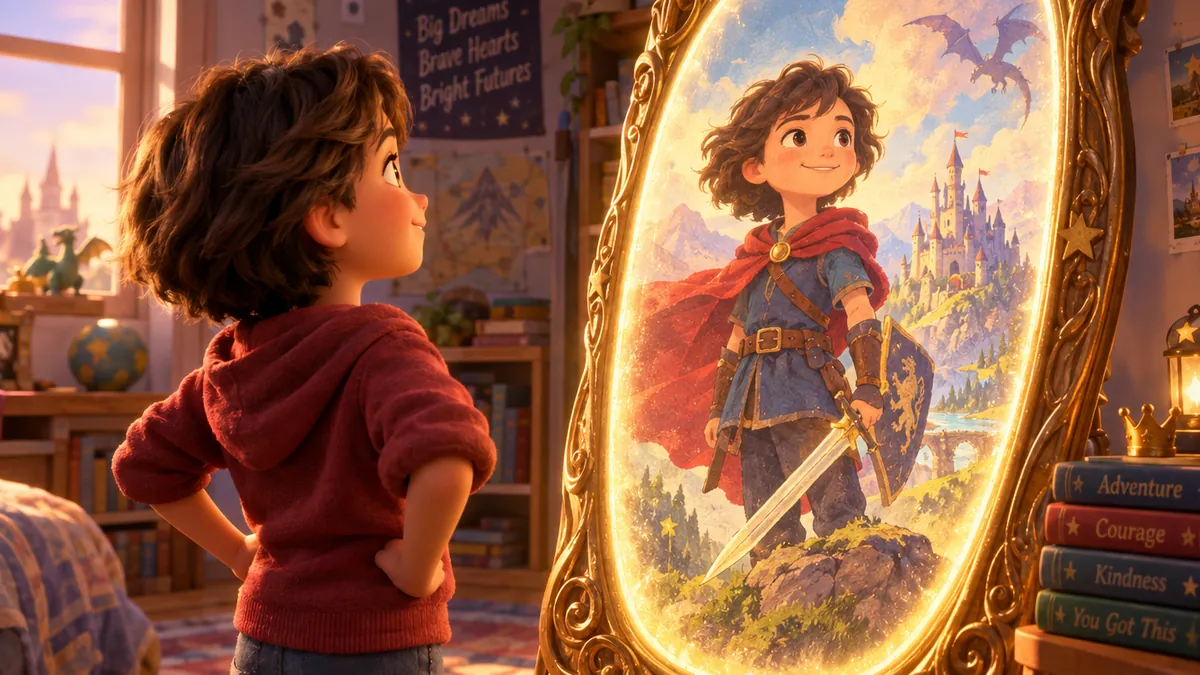
How do personalised books help children's self-esteem? By making the child the protagonist who solves problems, faces fears, and lives out successful adventures, these stories reinforce one simple but powerful idea: "I can do this."
The "self-reference effect," without the jargon
We mentioned this concept in another article in this series: we pay more attention to, and place more importance on, information that concerns us directly. When that information is "the main character (who is me) overcomes a challenge," the effect on self-confidence is direct — it's not just a story, it's proof of competence starring the child themselves.
How this translates into everyday confidence
- The child links their own name to overcoming challenges, not just hearing about them.
- Rereading reinforces that link over time.
- Seeing themselves represented positively (physically and in the story's achievements) reinforces their self-image.
The role parents play in reinforcing the message
The effect is even stronger when parents connect the story to real life — "just like in the book, you also managed to [something real the child did]." The story provides the starting point; the conversation afterward is what makes the lesson stick.